Growing Hydrangeas: The Ultimate Guide
Growing Hydrangeas: The Ultimate Guide
Hydrangeas are beautiful, versatile shrubs that can add a touch of elegance to any garden. With their large, showy blooms, hydrangeas are sure to turn heads. And while they may seem daunting to care for, hydrangeas are actually relatively easy to grow.
This guide will provide you with everything you need to know about growing hydrangeas, from choosing the right variety to planting and care. By following these tips, you'll be sure to have healthy, blooming hydrangeas for years to come.
Choosing the Right Variety
There are many different varieties of hydrangeas to choose from, so it's important to do your research to find the right one for your garden. Some factors to consider include:
- Sun exposure: Hydrangeas can tolerate a range of sun exposure, but most prefer partial shade. Avoid planting hydrangeas in full sun, as this can scorch their leaves.
- Soil type: Hydrangeas prefer moist, well-drained soil. If your soil is sandy or clayey, you may need to add compost or other organic matter to improve drainage.
- Hardiness zone: Hydrangeas are hardy in USDA zones 3-9. If you live in a colder climate, choose a variety that is hardy to your zone.
Planting Hydrangeas
The best time to plant hydrangeas is in the spring or fall. When planting, dig a hole that is twice as wide and as deep as the root ball of the hydrangea. Backfill the hole with soil, tamping it down firmly. Water the hydrangea well and mulch around the base with an inch of organic material, such as compost or bark chips.
Caring for Hydrangeas
Hydrangeas need regular watering, especially during hot, dry weather. Water deeply, so that the water reaches the roots. Mulching around the base of the hydrangea will help to retain moisture in the soil.
Hydrangeas also need to be fertilized regularly. Feed your hydrangeas with a balanced fertilizer in the spring and summer. In the fall, you can fertilize with a fertilizer that is high in potassium, which will help the hydrangeas to form strong buds for the following year.
Pruning Hydrangeas
Hydrangeas can be pruned in the spring or fall. If you prune in the spring, you will be shaping the plant and removing any dead or diseased branches. If you prune in the fall, you will be removing the spent blooms.
When pruning hydrangeas, it is important to use sharp shears. Cut the branches back to a healthy bud or leaf node. Do not cut back to the main stem of the plant.
Troubleshooting
Hydrangeas are generally hardy plants, but they can be susceptible to a few problems. Some common problems include:
- Leaf spot: Leaf spot is a fungal disease that can cause brown or black spots on the leaves of hydrangeas. To treat leaf spot, you can use a fungicide.
- Pests: Hydrangeas can be susceptible to a few pests, such as aphids, scale, and slugs. To control pests, you can use insecticidal soap or neem oil.
- Drought stress: Hydrangeas are susceptible to drought stress. If your hydrangeas are not getting enough water, the leaves will wilt and the plant may not bloom. Make sure to water your hydrangeas regularly, especially during hot, dry weather.
With proper care, hydrangeas can thrive for many years. So if you're looking for a beautiful, low-maintenance shrub for your garden, hydrangeas are a great option.
Hydrangeas are beautiful and versatile flowers that can add a touch of elegance to any garden. But growing hydrangeas successfully can be tricky, as they have specific requirements for soil, sunlight, and water. If you're thinking about adding hydrangeas to your garden, I recommend visiting . This website has a wealth of information on growing hydrangeas, including:
- The different types of hydrangeas and their care requirements
- How to choose the right location for your hydrangeas
- How to plant and care for hydrangeas
- How to troubleshoot common hydrangea problems
The website also includes a forum where you can ask questions and get advice from other hydrangea growers. So whether you're a beginner or an experienced gardener, is a great resource for everything you need to know about growing hydrangeas.
FAQ of growing hydrangeas
5 Most Frequently Asked Questions About Growing Hydrangeas
Hydrangeas are beautiful flowering shrubs that can add a touch of elegance to any garden. However, they can be a bit tricky to grow, so it's important to know the basics. Here are the 5 most frequently asked questions about growing hydrangeas, along with some valuable insights and solutions:
1. What are the best growing conditions for hydrangeas?
Hydrangeas do best in moist, well-drained soil and dappled shade. They should not be planted in full sun, as this can scorch their leaves. The ideal pH level for hydrangeas is 5.5-6.5, but they can tolerate a wider range of pH levels.
2. How fast do hydrangeas grow?
Hydrangeas are relatively fast-growing shrubs. They can grow 1-2 feet per year, and some varieties can reach heights of 10-15 feet.
3. How do I deadhead hydrangeas?
Deadheading hydrangeas is important to encourage new blooms. To deadhead, simply pinch off the spent flower heads with your fingers. You can also use a pair of scissors or shears.
4. How do I fertilize hydrangeas?
Hydrangeas need to be fertilized regularly to produce their best blooms. A balanced fertilizer, such as 10-10-10, can be applied in the spring and fall. You can also use a fertilizer specifically designed for hydrangeas.
5. How do I overwinter hydrangeas?
In most climates, hydrangeas are hardy to USDA zones 3-9. However, in colder climates, they may need to be protected from the cold. To overwinter hydrangeas, you can mulch around the base of the plant with a thick layer of organic material, such as leaves or straw. You may also need to cover the plant with a burlap sack or other protective material.
Image of growing hydrangeas
5 different images of growing hydrangeas from pinterest.com:
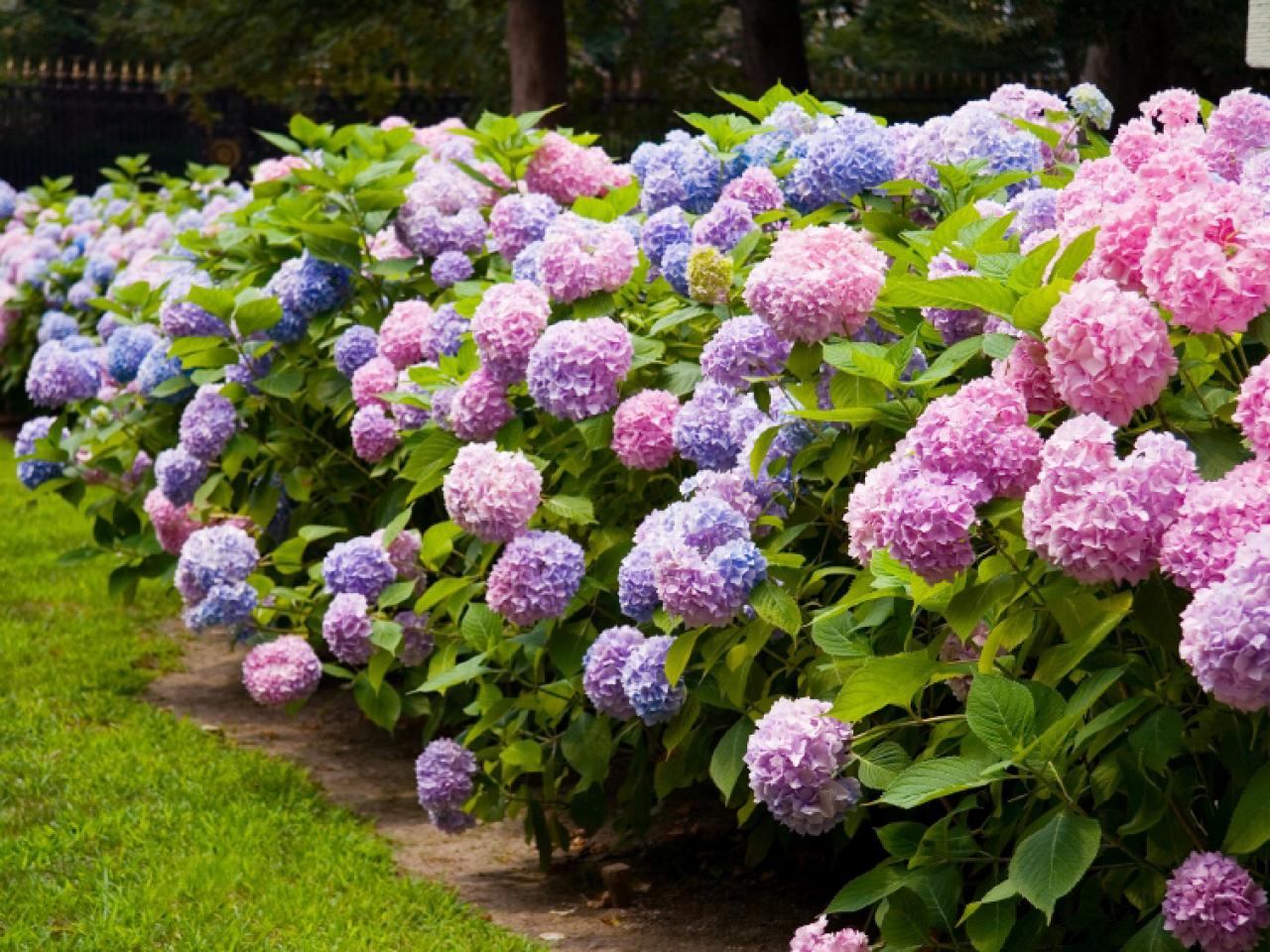
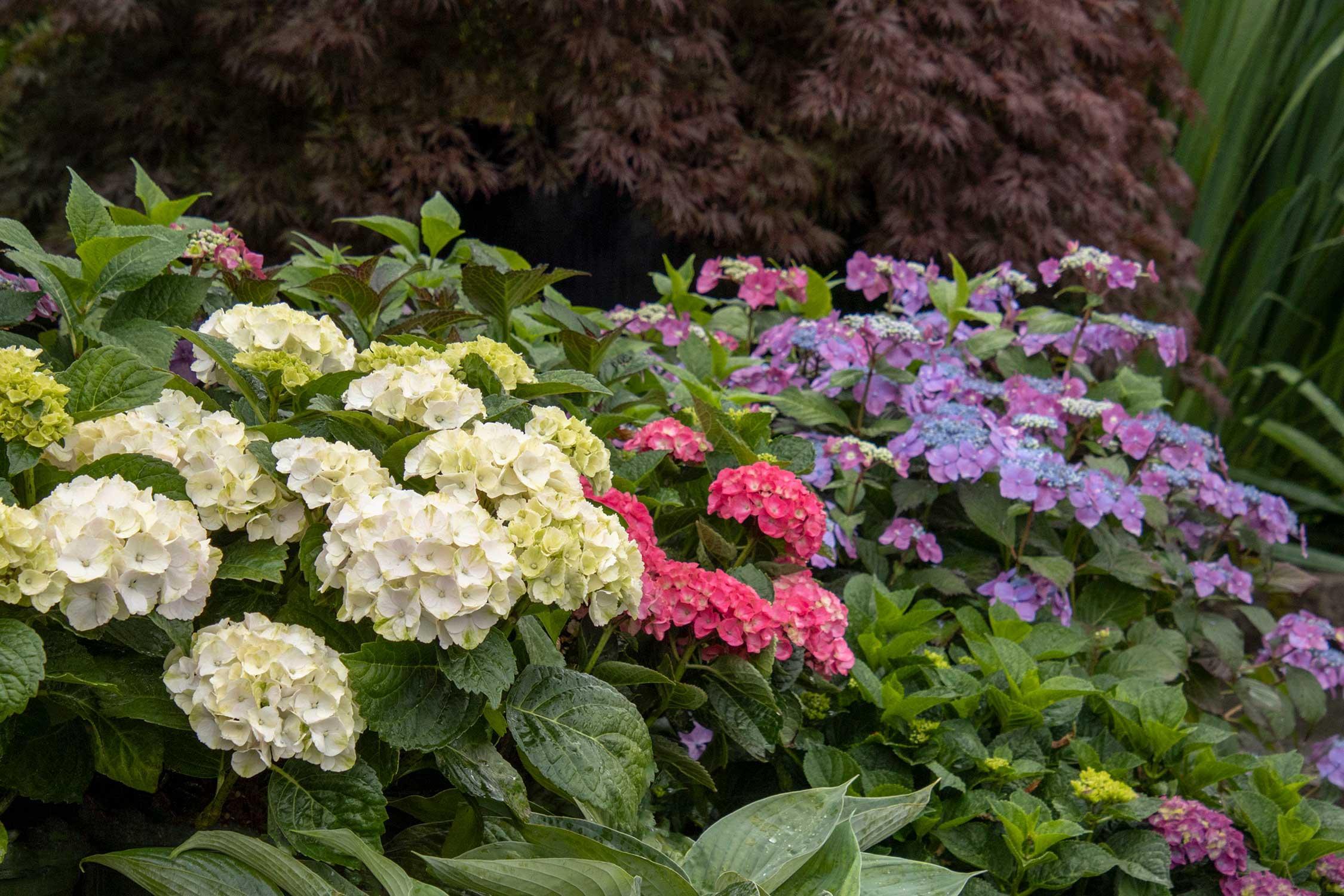
- A hydrangea bush in full bloom, with large, colorful flowers.
- A gardener watering a hydrangea plant.

- A close-up of a hydrangea flower, showing its delicate petals.

- A hydrangea plant in a pot, sitting on a patio.

- A group of hydrangea plants in a garden, with a white picket fence in the background.

Post a Comment for "Growing Hydrangeas: The Ultimate Guide"